 20,904 puzzles in the app

A sacrifice is a deliberate gift. You hand your opponent material, a pawn, a piece, sometimes even your queen, because what you get in return is worth more. That return might be checkmate, winning back even more material a few moves later, or a position where your opponent simply can’t hold everything together.
Sacrifices are the most dramatic tactic in chess, and they scare a lot of players. The good news is that most of them aren’t magic. They follow recognizable patterns, and once you’ve seen a pattern a few times, you start finding it in your own games.
Real sacrifices and fake ones
It helps to separate two kinds.
A calculated sacrifice gives up material for a concrete, forced payoff. You can see the end of the line: mate in three, or the material comes back with interest. Almost every sacrifice in a puzzle belongs here, because a puzzle has a clear, provable answer.
A positional sacrifice gives up material for long-term pluses like a huge lead in development, an exposed king or a crushing pawn center. These are harder to judge and rely on experience rather than calculation.
When you solve puzzles, you’re training the first kind: finding the forcing line that justifies the gift.
Signs that a sacrifice might be on
- The enemy king is short of defenders, or its pawn cover has already been weakened.
- Your pieces are clearly more active than your opponent’s, and several of them are aimed at the same area.
- A capture would rip open a file or diagonal toward the king.
- An enemy piece is doing a crucial job, and taking it (even at a loss) leaves something undefended.
- After the sacrifice, you have checks or direct threats on almost every move.
A well-known example is the bishop sacrifice on h7 against a castled king. When a knight can follow up with a check on g5 and the queen can quickly reach the h-file, Bxh7+ often tears the king’s shelter apart. Without those helpers, the same move just loses a bishop.
Why sacrifices fail
Most failed sacrifices share a few causes:
- Running out of forcing moves. If your opponent gets a single quiet move to consolidate, the attack usually evaporates and you’re just down material.
- Missing a defensive resource. A counter-check, a blocking piece or a queen that can come back to defend can refute the whole idea.
- Hope instead of calculation. “It looks scary for them” is not the same as “it works”. Check the defender’s best replies, not just the ones you’d like to see.
- Not counting the material. Know exactly what you’ve given and exactly what you’ll get back.
How to practice sacrifices
- Look at forcing moves first, even the ugly ones. Checks and captures that drop material deserve a look before you dismiss them. Many puzzle solutions start with a move you’d instinctively skip.
- Calculate until the position is quiet. Keep going until there are no more checks or captures, then evaluate. Stopping mid-sequence is how sacrifices go wrong.
- Ask what your opponent would do if it were their move. Sometimes the threat you’d create after the sacrifice is so strong that the material simply doesn’t matter.
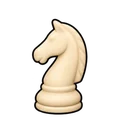
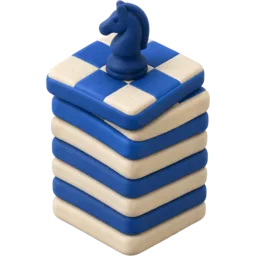
Springer, our clay knight, would like to point out that knights are often the first to be thrown into the fire. He’s fine with that, as long as it’s for checkmate.