The top of the ladder
Grandmaster is the highest rank in MateMind, and it starts at a puzzle rating of 2400. Just to be clear, this is an in-app rank for puzzle solving, not the official over-the-board title. It’s still a serious achievement: you’ve climbed through every rank from Pawn to King, one 100-point step at a time.
Unlike the ranks below it, Grandmaster has no sub-ranks. Once you’re here, your displayed rank stays Grandmaster, even if your rating number dips on a tough day. Your best rating is shown separately, so your peak is always on record.
What solving looks like at 2400 and above
Players at this level combine broad pattern knowledge with deep, disciplined calculation. You can hold a long variation in your head, notice the one defensive resource hidden in a forcing line, and find a quiet move when every instinct says to check. Endgame puzzles that demand exact counting, like pawn races, zugzwang positions and difficult rook endings, are part of your everyday material rather than a weak spot.
The puzzles you face now are among the hardest in the collection. Many of them are hard because the obvious solution almost works, and only careful verification shows why it doesn’t.
Staying sharp without a next rank
With no further promotion to chase, motivation has to come from somewhere else. Here are a few goals that keep training meaningful at the top:
Beat your best rating. Your best rating is a clear, personal target. Pushing it up, even by a few points, means you’re solving puzzles that were out of reach before.
Complete the gold collection. There are 60 training themes, from tactical motifs to mating patterns and endgames. Turning every badge gold is a long-term project that makes sure you cover your blind spots, not just your favorite motifs.
Protect your accuracy. At this level, the biggest risk is overconfidence. Solve as if each puzzle contains a trap, because many of them do. Count the defender’s checks and captures in the final position before you commit to the first move.
Keep the streak. A small daily goal and an unbroken streak keep your pattern recognition fresh. Even five hard puzzles a day are enough to stay in form.
A routine for the summit
Treat your sessions like focused practice, not a race. Choose fewer, harder puzzles and give each one your full attention. Once a week, go back to a theme you consider a strength and look for any puzzle you got wrong there; strengths hide mistakes because you stop questioning them.
Use the mistake review seriously. Every missed puzzle that comes back is a chance to learn why your calculation broke down. At 2400 and above, that reflection is where improvement comes from.
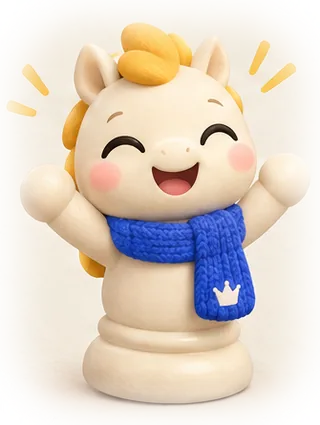
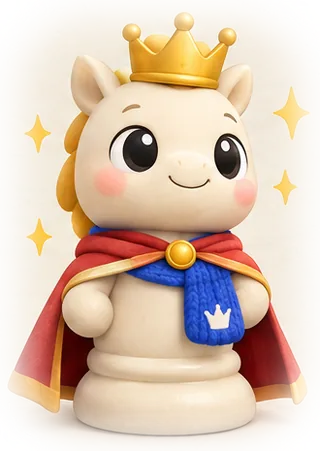
And enjoy it. You built this rank puzzle by puzzle, and Springer was there for every promotion along the way.